MiniMax H3-Image: Open-Weight 4K Images in Under 10 Seconds
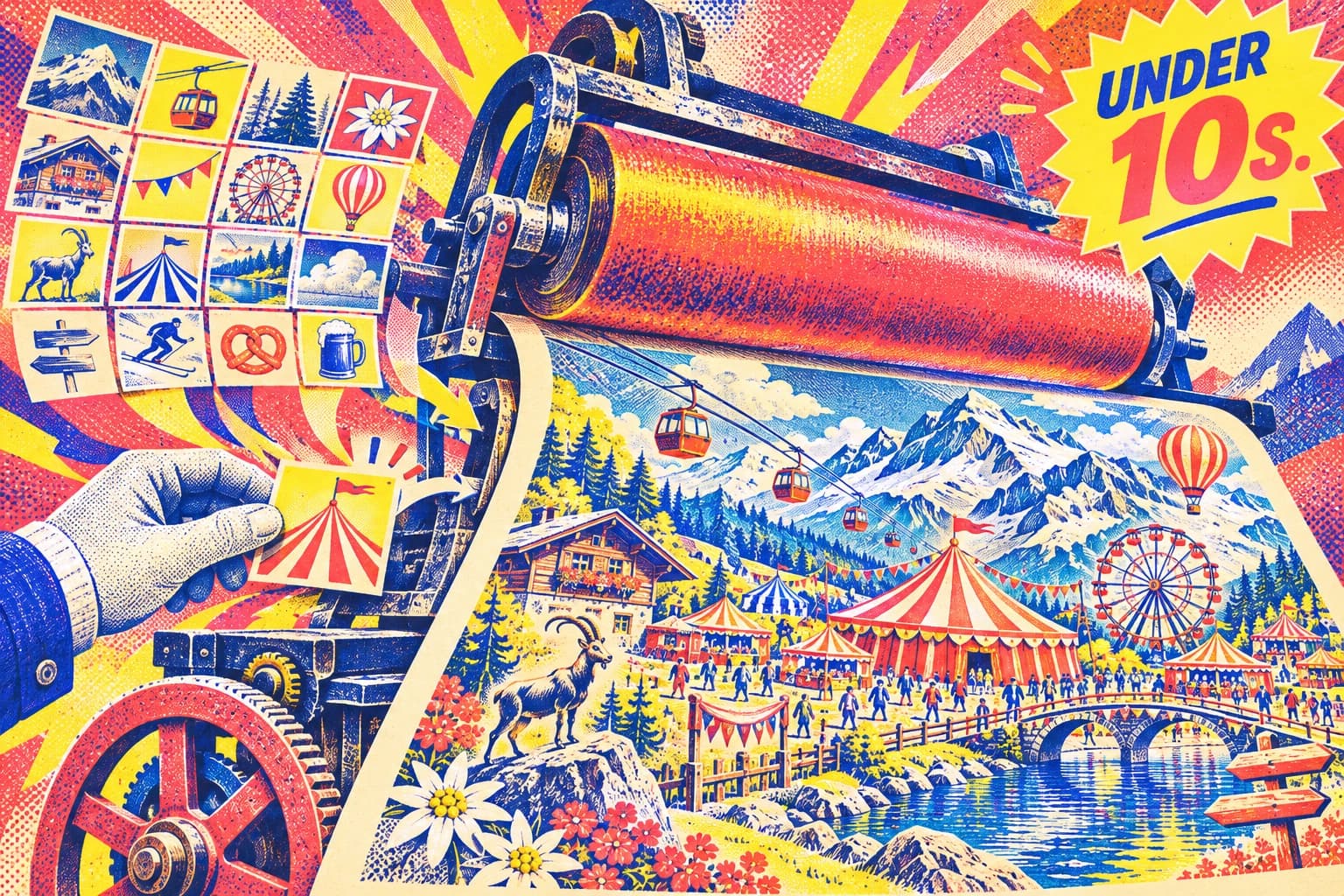
On November 11, 2026, MiniMax released H3-Image, an open-weight image generation model built on the H3 video model. It handles text-to-image generation, reference-based generation, and image editing. The company's pitch is short: 16 million pixels, 10–20 seconds, open weights.
Specifications
| Parameter | Value |
|---|---|
| Max resolution | 4096 × 4096 (16 MP), generated natively, no upscaler |
| Speed | a 4K image in under 10 seconds (vendor claim) |
| Architecture | 33.1B-parameter diffusion transformer (DiT) |
| Sampling | 6 steps, no classifier-free guidance |
| Reference images | up to 16 per request |
| Prompt length | up to 4096 tokens |
| Aspect ratios | 1:1 to 21:9 (for example, 6272 × 2688) |
| Weights | open, 68.65 GB in BF16 |
| Text encoder | Qwen3-VL, shared with the H3 video model |
The DiT is a dense 50-layer transformer with a hidden size of 5376, reusing the H3 architecture minus the audio layers. An optional prompt-expander checkpoint, MiniMax-H3-Image-PE (17.9 GB in NVFP4), turns a short request into the detailed caption the model reads best.
Speed: 4K becomes an everyday format
Most image models work in the 1–4 MP range and rely on an upscaler for anything larger. H3-Image produces a full-resolution 16 MP image in under 10 seconds, which MiniMax says is up to 5× faster than mainstream alternatives. The Standard API mode runs 1.5–2× faster than comparable offerings, and the Highspeed mode claims 3–4×.
Quality and control
MiniMax describes the output as having rich, realistic detail without the polished smoothness that usually marks AI images, and says prompt adherence beats other open-weight models. Generation and editing share one checkpoint, so the same weights answer a text prompt, a set of references, or an edit request. References are addressed in the prompt as <Picture 1>, <Picture 2> and so on, numbered in upload order.
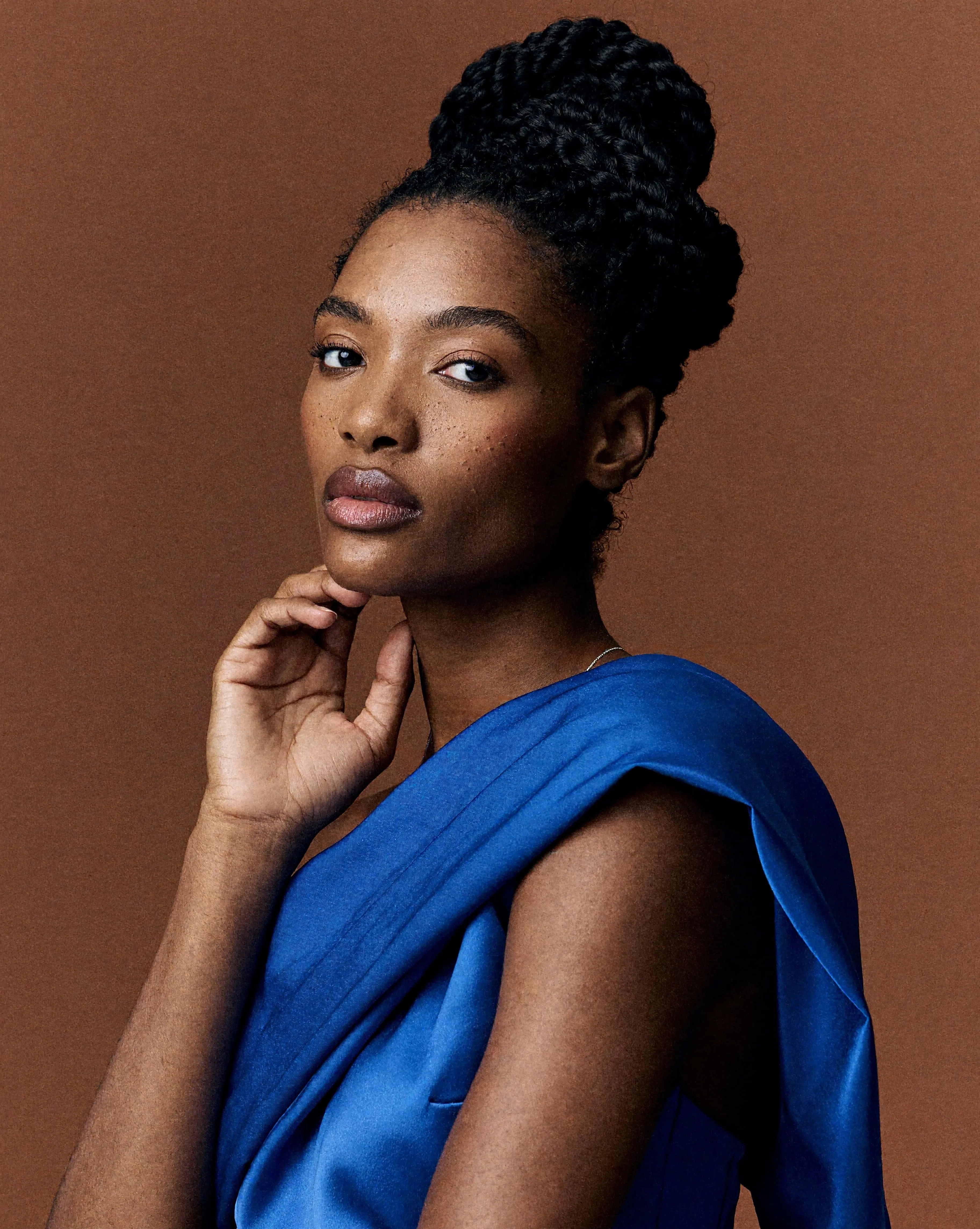
The studio portrait below is a sample generation at roughly 16.7 MP.
Availability and pricing
- The open weights are on Hugging Face under MiniMax's Community License.
- The API runs through the MiniMax platform, MiniMax Code, and the Hailuo AI app.
- Integrations include ComfyUI (official and partner nodes) and Vercel AI Gateway.
API pricing is $3.80 per million output image tokens in Standard mode and $7.60 in Highspeed mode. A single 4K image works out to roughly $0.069, a 1K image to about $0.022. Through November 17, 2026, MiniMax takes 50% off generation at 16.6 MP and above.
Caveats
The MiniMax Community License excludes use in the US, the EU, the UK, and South Korea. Companies with annual revenue above $1M, and anyone offering the model as a hosted service to third parties, need written permission from MiniMax. The 10-second 4K figure is a vendor claim with no independent measurements so far.
Where to use H3-Image
api.vega.chat (VEGA API). A single API for 800+ AI models. It works in Russia without a VPN, supports OpenAI and Anthropic formats, and bills by actual usage, by card or by invoice. Personal data is anonymized under Federal Law 152 before it reaches the model, and the servers are located in Russia. New models, H3-Image included, appear in the catalog right after release, and new accounts get a test balance.
marfik.media (Marfik). A media generation and editing studio that also provides an API across media models. The catalog covers 500+ models for images, video, speech, music, and 3D objects. Generation and editing run through an AI agent, and no subscription is required.